
Tuesday, 27 February 2018

Best Diets When You Have Diabetes
Best Diets When You Have Diabetes

Check All the Boxes
The right diet will help you control your
blood sugar, get a handle on your weight, and feel better. Several well-known
and popular eating plans may give you the road map to do just that. You'll want
to choose something you can follow, with foods you like, so you can stick with
it.

2/15
Start With the Basics
Watch your portion sizes
and calories. Cut back on fried foods, sweets, sugary drinks, and anything
salty or fatty. Focus instead on lots of veggies, with whole grains, lean
protein, low-fat dairy, fruit, and healthy fats. You may need to eat every few
hours to keep your blood sugar levels steady. Your doctor or diabetes educator
can help you fine-tune a diet so it works for you.


Low-Carb
You
don't have to give up carbohydrates because you have diabetes. If you want to
try a diet that limits them, like Atkins or South Beach, talk to your doctor
about it. Research on the benefits of low-carb diets for type 2 diabetes is
still mixed. But a review written by 25 leading experts says this style of
eating should be the first step in managing the disease, since it can
"reliably reduce high blood glucose."

Mediterranean Diet
This
heart-healthy diet uses lots of fruits and veggies as well as fish, chicken,
nuts, olive oil, legumes, and whole grains. What you won't eat
often: Red meat, butter, and salt. Studies have shown the diet can help keep
blood sugar levels under control. You can have wine with meals, but the
American Diabetes Association recommends no more than one drink per day if
you're a woman, two if you're a man.

DASH
Nutrition
experts recommend this eating plan, designed to help lower blood pressure, to
lots of people because it emphasizes fruits, vegetables, low-fat dairy, whole
grains, lean meats, fish, nuts, and beans. (It does allow for some sweets, too.
You should eat those in moderation.) A 2011 study found that it can improve
insulin sensitivity when it's part of an overall weight loss program with
exercise.

The Zone Diet
Its
goal is to keep blood sugar levels stable. Meals are 40% carbs, 30% protein,
and 30% fat. Carbs are ranked as good or bad based on the glycemic index.
You'll have foods like chicken and barley, but not potatoes and egg yolks. A
2015 study found it had a positive effect on glycemic control and waist size,
so it may be a good choice. Ask your doctor about it.

Weight Watchers
You get
a set number of points to "spend" as you eat. Most vegetables have
zero points, so you can eat as much of them as you like, while fast foods and
desserts are assigned high point values. Studies say it's effective. And the
company offers a program for people with type 2 diabetes that includes fitness
advice and support from a counselor with expertise in treating the disease.

8/15
Prepackaged Diet Meals
Whether you have them
delivered to your home or pick them up at a grocery store, there's a huge
variety of ready-made meals out there. Be careful: They can have very long
lists of ingredients, and they aren't always diabetes-friendly. Some brands,
like Nutrisystem and Jenny Craig, do offer meals tailored for diabetes. Talk to
your doctor to help narrow down your choices.

Paleo
The
idea behind this trendy diet is to eat the way early humans did before modern
farming, when we were hunter-gatherers. That means no dairy, refined sugar,
grains, or legumes, and no processed vegetable oils like soybean oil or canola
oil. You can have fruits and
veggies, lean meats (preferably grass-fed), fish, nuts, and seeds. It may sound
healthy, but there's little scientific data looking at how it affects diabetes.

Gluten-Free
Gluten
is a protein found in grains including wheat, rye, and barley. People with
digestive disorders like celiac disease need to avoid it. Popular belief is
that going gluten-free will help you lose weight, improve digestion, and boost
energy. But these claims aren't backed up by science. Plus, gluten is in
everything from salad dressing to vitamins. There's no need to follow this diet
unless your doctor advises it.
Sunday, 25 February 2018
14 Best Foods to Keep in Your Fridge

Plan Ahead
You’re hungry and staring into your fridge, but is there anything healthy in there? Stock up on a few key staples to make sure there’s something good waiting for you.

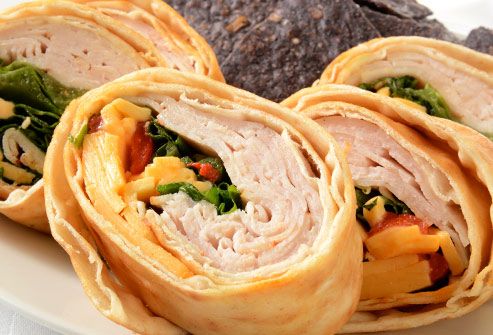
Turkey
It’s low in fat and sodium, and high in protein. And versatile, too: Wrap some turkey breast in a whole-wheat tortilla for a snack or take it to work for lunch.

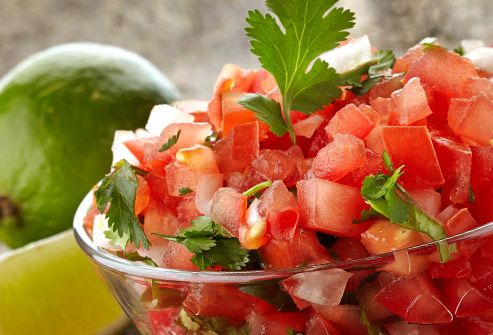
Salsa
Make some yourself -- it’s a healthy, easy way to put some zip into egg dishes, soups, and sauces. Use it instead of oily dressings on vegetables and heartier salads, too. But be forewarned: Health benefits decline, in a big way, if you eat it with a giant bag of heavily salted, processed, deep-fried corn chips.

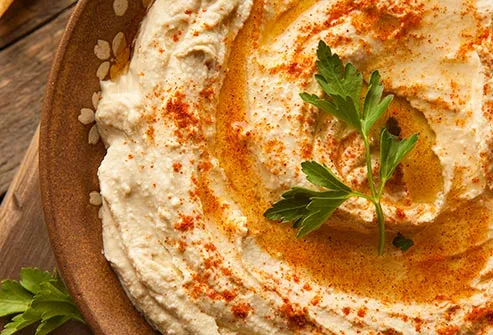
Hummus
This Middle Eastern dip -- traditionally made with chickpeas, garlic, and olive oil -- is low in fat and calories and high in protein and fiber. Chickpeas are legumes, which can be good for people with high blood pressure and diabetes. They also can lower your cholesterol and may help protect you against cancer. And skip the pita chips. Try some with veggies like sliced cucumbers, carrots, or cherry tomatoes.

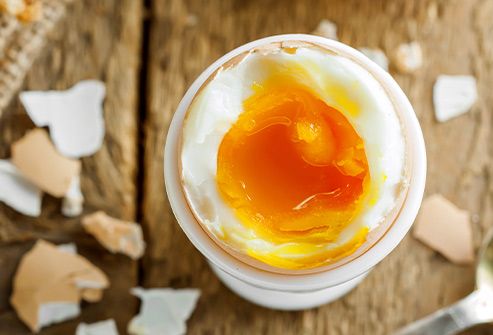
Eggs
They have amino acids your body needs to make your cells work, and they’re loaded with nutrients like vitamin D, which isn’t in many foods. At just a few cents per egg, they’re an amazing deal for such a high-quality protein.

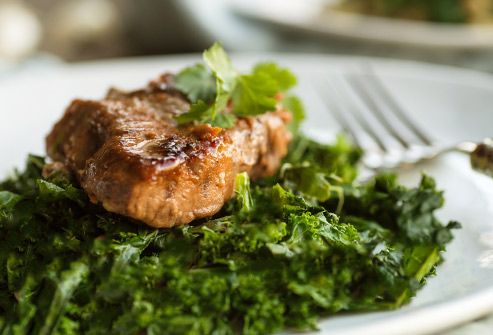
Kale
It’s is one of the most nutrient-dense foods you can eat, with only 33 calories per 2.5-ounce serving. Sautee it with chopped onion in olive oil for an easy and quick side dish for chicken and beef.

Seltzer
Sugary drinks add calories to your diet, often without much nutritional value. Seltzer is a great replacement. It’s fizzy, usually comes mildly flavored, and has just a few calories -- a great way to get a soft drink fix without the calories that normally go with it.

100% Fruit Juice
Freshly squeezed juice can be a good source of certain vitamins and minerals, but because it’s almost always high in sugar, you should drink it in moderation. One way to stretch it out is to add it to your seltzer for a kind of low-calorie “soft drink” with some nutritional value.





Subscribe to:
Posts (Atom)